All apartments in the neighborhood of Pankow
123 apartments found
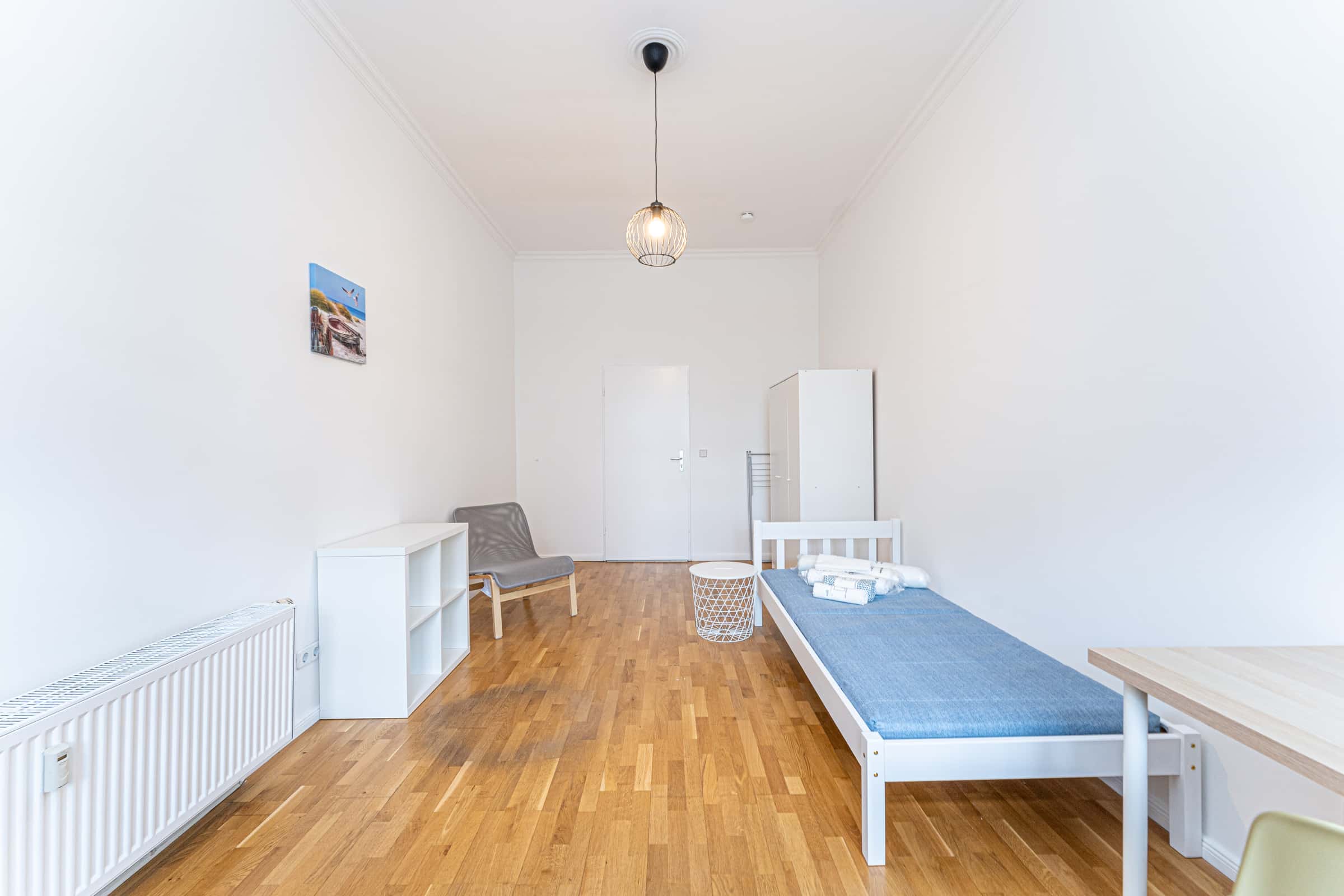
Private Room in Pankow

Private Room in Pankow

Private Room in Pankow

Private Room in Pankow

Private Room in Pankow

Private Room in Pankow

Private Room in Pankow

Private Room in Pankow

Entire Place in Pankow

Entire Place in Pankow

Entire Place in Pankow

Entire Place in Pankow

Entire Place in Pankow

Entire Place in Pankow

Entire Place in Pankow

Entire Place in Pankow

Entire Place in Pankow

Entire Place in Pankow

Entire Place in Pankow

Entire Place in Pankow
Look for rentals in Berlin
Explore Apartments by Bedroom Size in Pankow
Browse Budget-Friendly Apartments in Pankow
Find Unique Housing in Pankow
Discover Popular Neighborhoods in Berlin
Popular Searches in Pankow
Pankow is Berlin's most populous district, and the one most associated with the city's family-friendly turn. It covers Prenzlauer Berg — comprehensively restored, full of playgrounds and cafés — as well as quieter Weißensee and Pankow proper to the north, where prices ease considerably.
Prenzlauer Berg is the district's centre of gravity: block after block of restored Altbau, tree-lined streets, and small Kieze that locals identify with strongly — Kollwitzkiez around the Wasserturm, Helmholtzkiez to the north, Winsviertel to the east, Gleimviertel along the border with Wedding. It is calm, well-kept and expensive by Berlin standards. North of the Ringbahn, Pankow's own centre around Breite Straße is more everyday and more affordable, while Weißensee offers a lake, older housing stock, and noticeably lower rents.
The U2 runs from Pankow through Prenzlauer Berg to the centre, the M-series trams cover the district densely, and the S-Bahn Ringbahn cuts across its southern edge at Schönhauser Allee and Prenzlauer Allee. Cycling is easy and popular. Commutes into Mitte are short — often under fifteen minutes from Prenzlauer Berg.
Pankow's housing splits along a clear north-south line. Prenzlauer Berg was restored comprehensively after reunification, and its Altbau is among the best-maintained in Berlin — reflected directly in the rents. North of the Ringbahn, the district's own centre and Weißensee have a broader mix of prewar blocks, postwar estates and smaller houses, at prices that can be substantially lower for comparable space. Buchholz and Karow further north are more suburban again. For renters who want the Prenzlauer Berg atmosphere without its pricing, the northern edges of the neighbourhood and the areas just beyond it are the practical compromise.
It's one of Berlin's most popular districts for families, particularly Prenzlauer Berg, which has a high density of Kitas, schools, playgrounds and parks.
It's among the more expensive residential areas in Berlin. Northern Pankow and Weißensee within the same district are meaningfully cheaper.
An informal micro-neighbourhood — a few blocks with their own name, shops and character. Prenzlauer Berg is unusually rich in them, and Berliners routinely identify by Kiez rather than district.
Prenzlauer Berg is the strongest, with the U2 along Schönhauser Allee and the Ringbahn on its southern edge putting Mitte under fifteen minutes away. Northern Pankow around the U2 terminus adds five to ten minutes, and Weißensee relies on trams rather than U-Bahn, which is reliable but slower at peak times.